


Start Your Project Today
Tell us about your project — we’ll get back within 24 hours

Founder
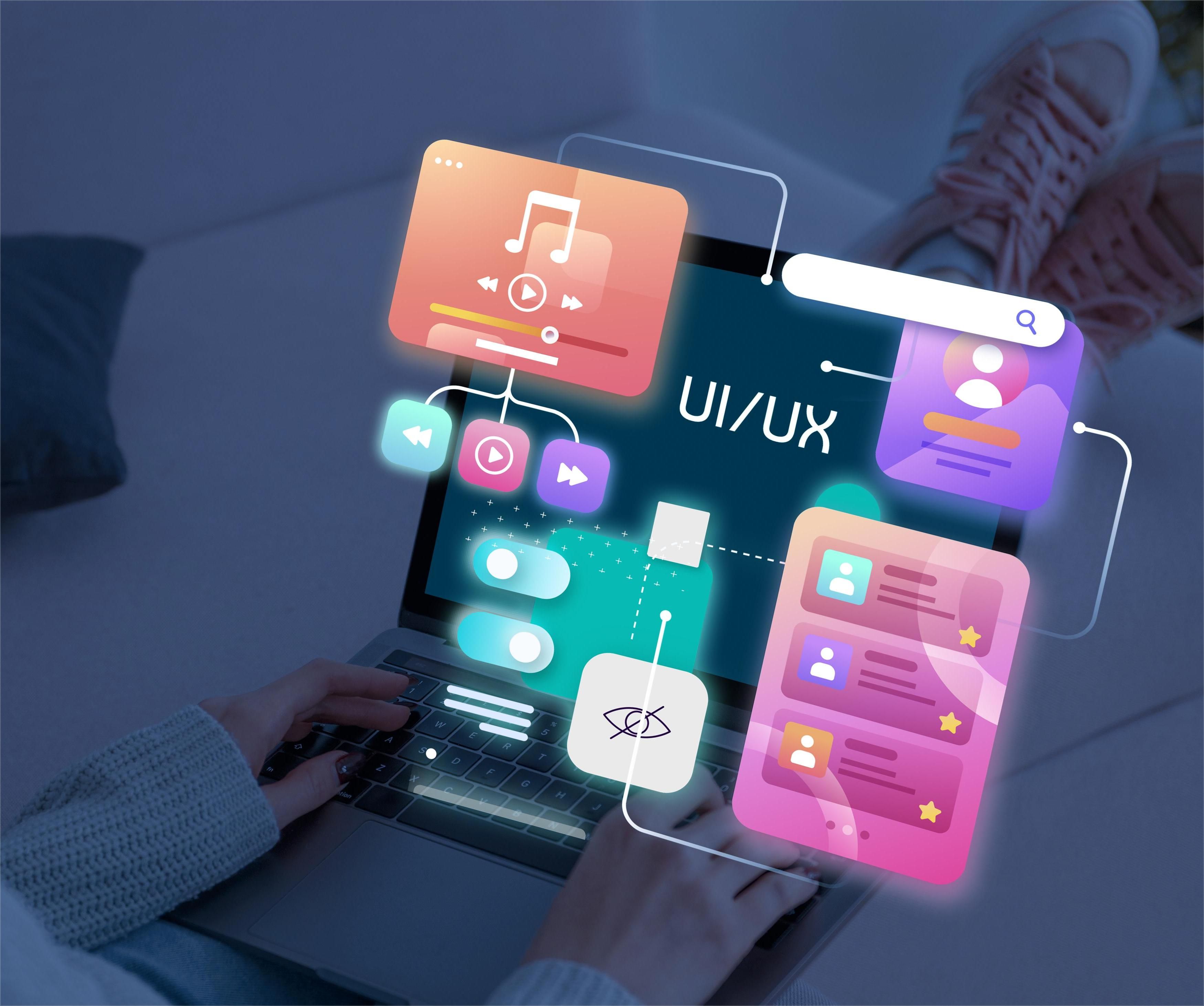
Consider the most recent website you visited. It may have looked visually appealing, followed modern design trends, and belonged to a credible brand; yet, you still left.
In most cases, this drop-off is not caused by branding or aesthetics but by usability friction. From a technical standpoint, usability failures manifest as poor information architecture, inefficient interaction design, slow performance, and accessibility gaps.
In the current digital world, user tolerance is extremely low. Studies have consistently shown that users form opinions about websites within seconds. If the cognitive load is high, navigation is unclear, or response times are slow, users abandon the session regardless of visual quality.
Website usability refers to how effectively, efficiently, and satisfactorily users can complete their intended tasks within a digital interface. These tasks may include information discovery, form submission, transactions, or multi-step workflows.
From a technical UX perspective, usability is evaluated across five key dimensions.
A usable website ensures the following:
Poor usability introduces friction into the user experience. Strong usability builds user confidence. Confidence directly influences the conversion behavior.
Although often grouped together, UI and UX address distinct layers of user experience.
The UI focuses on the presentation layer.
UX addresses the interaction and behavior layers.
When UI and UX are technically aligned, websites achieve the following:
This alignment forms the backbone of an effective website user experience design.
Usability is not only a design concern; it directly impacts measurable business metrics.
Intuitive interfaces increase the session duration, pages per session, and interaction depth.
Clear navigation, fast rendering, and relevant content hierarchies reduce early exits.
Streamlined user flows and reduced friction points improve form completion and purchase rates.
Search engines evaluate usability signals such as
Strong usability indirectly enhances organic visibility and ranking stability.
ssary animations, and redundant UI elements.
Reusable components, standardized spacing, and uniform interaction patterns create familiarity and reduce the learning effort.
Inclusive design ensures usability for users with visual, motor, auditory, and cognitive impairments. This involves:
A responsive system adapts seamlessly across screen sizes, orientations, and input methods, without compromising functionality or performance.
Even well-designed websites degrade over time because of changing user behavior, content growth, and technology updates.
A UX audit identifies usability bottlenecks through the following:
Regular audits replace assumptions with behavioral data to enable continuous optimization.
UI/UX services bridge the gap between user intent and business objectives through the following:
Usability gaps are often the root cause of stagnating engagement or declining conversions.
To enhance website usability:
Modern UI/UX design is an iterative process that evolves with user behavior, device usage, and technological standards.
Users may forget these visual details. They do not forget the friction.
Usability defines how a product feels to use, and feeling drives behavior.
At Zethic, our UI/UX design services extend beyond aesthetics. The focus is on understanding real user behavior, identifying technical usability gaps, and designing intuitive and scalable experiences that drive measurable growth through audits, UX strategy, and conversion-focused design.
A website does not succeed by looking good.
It succeeds by working effortlessly.
Zethic offers a comprehensive suite of UI/UX design services, including mobile app and website design, UX/UI consulting, wireframes and prototypes, branding and graphic design, responsive design, customer journey mapping, and UX strategy tailored to your specific business objectives.
The cost of UI/UX design at Zethic varies according to the project scope, number of screens, complexity, and customization required. They provide customized pricing to ensure value for your specific business needs.
The timeline is determined by the size and complexity of the project. Smaller projects usually take 4-6 weeks, whereas larger, more complex designs can take several months with a structured process to ensure quality.
Yes, Zethic analyzes your existing interface and experience, identifies usability issues, and redesigns elements to improve usability, aesthetics, and user engagement, resulting in a more intuitive and high-performing product.
Zethic’s UI/UX process includes Discovery (client goals and research), Design (wireframes and prototypes), Testing (usability validation), and Deployment to ensure that all designs are user-centric and aligned with business goals.
Zethic provides tailored design solutions to a wide range of sectors, including FinTech, EdTech, healthcare, e-commerce, on-demand, hospitality, logistics, social media & entertainment, travel, and the public sector.
Ram brings deep expertise in product strategy and system architecture across fintech, SaaS, and AI platforms. He specializes in pre-execution planning to help teams build scalable technology foundations and avoid costly rebuilds.

Adding {{itemName}} to cart
Added {{itemName}} to cart