Skip links

What Is a Web Application? Complete Guide (2026)

Picture of By Ram Nethaji

By Ram Nethaji

Founder

what is web application | zethic

Modern digital ecosystems rely heavily on web applications. From SaaS platforms and enterprise dashboards to customer portals and marketplaces, web apps will drive how businesses operate, scale, and engage users in 2026.

As user expectations rise and technologies advance, understanding web applications from architecture and design to development costs and services is no longer an option. This guide provides a comprehensive technical overview of web applications. enabling businesses to make informed decisions and create future-ready digital products.

Introduction to modern Web systems

The transition from static websites to dynamic, interactive platforms has fundamentally altered digital experiences. Businesses today need systems that can process data in real time, adapt to user behavior, and integrate seamlessly with other services.


Web applications play an important role in bridging functionality, performance, and accessibility across devices while maintaining scalability.

Mobile Application Development

What Is a Web Application? (Website Application Explained)

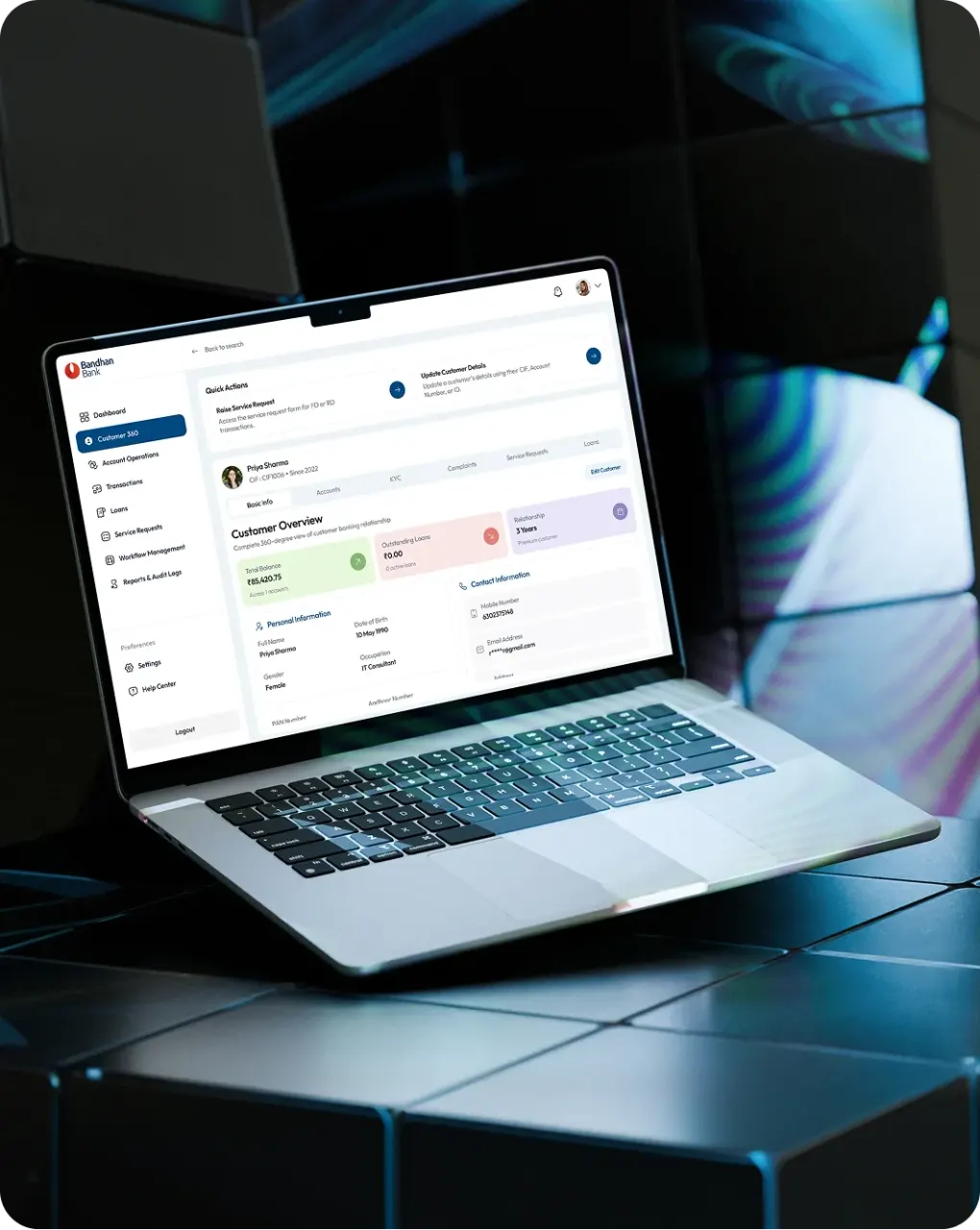
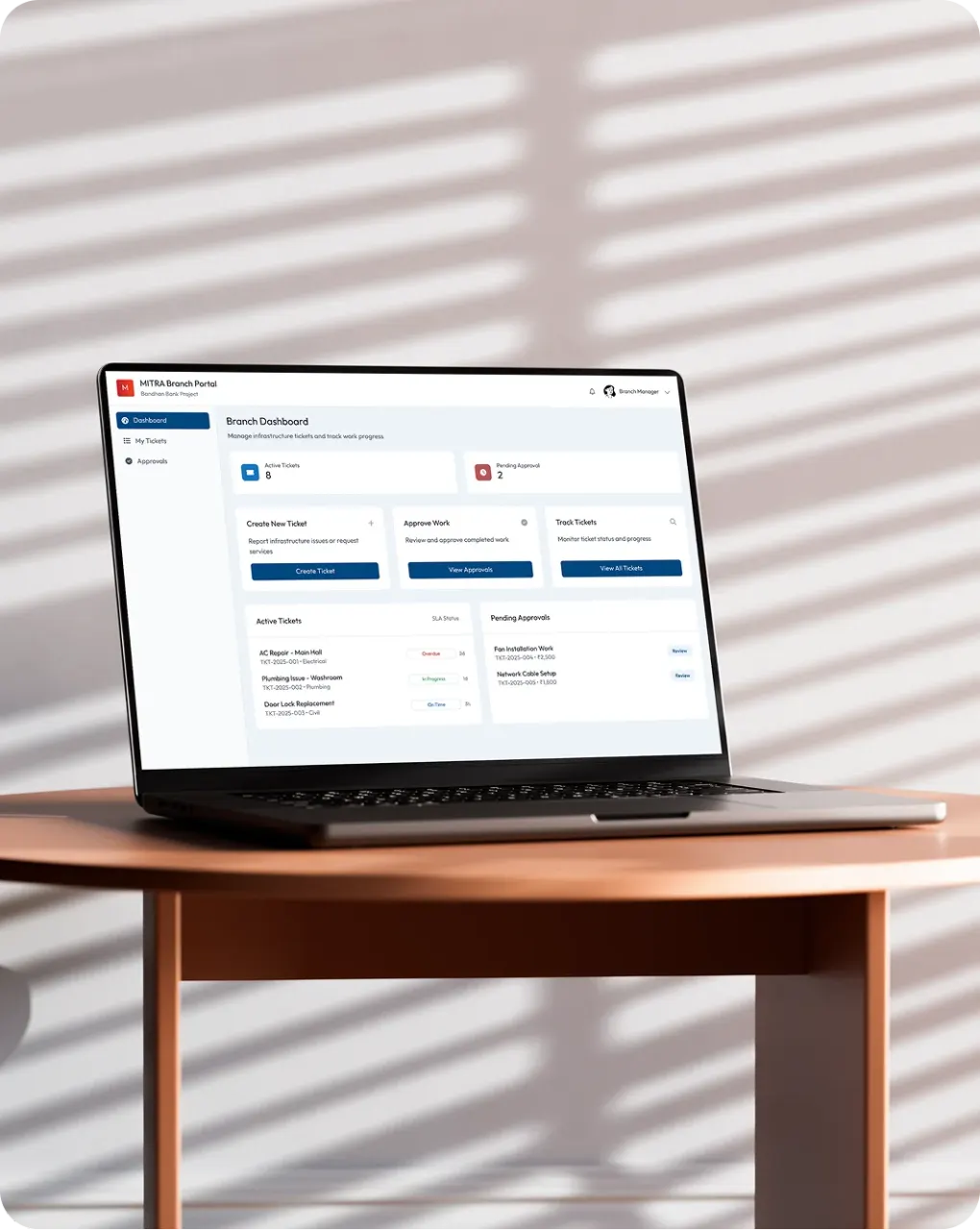
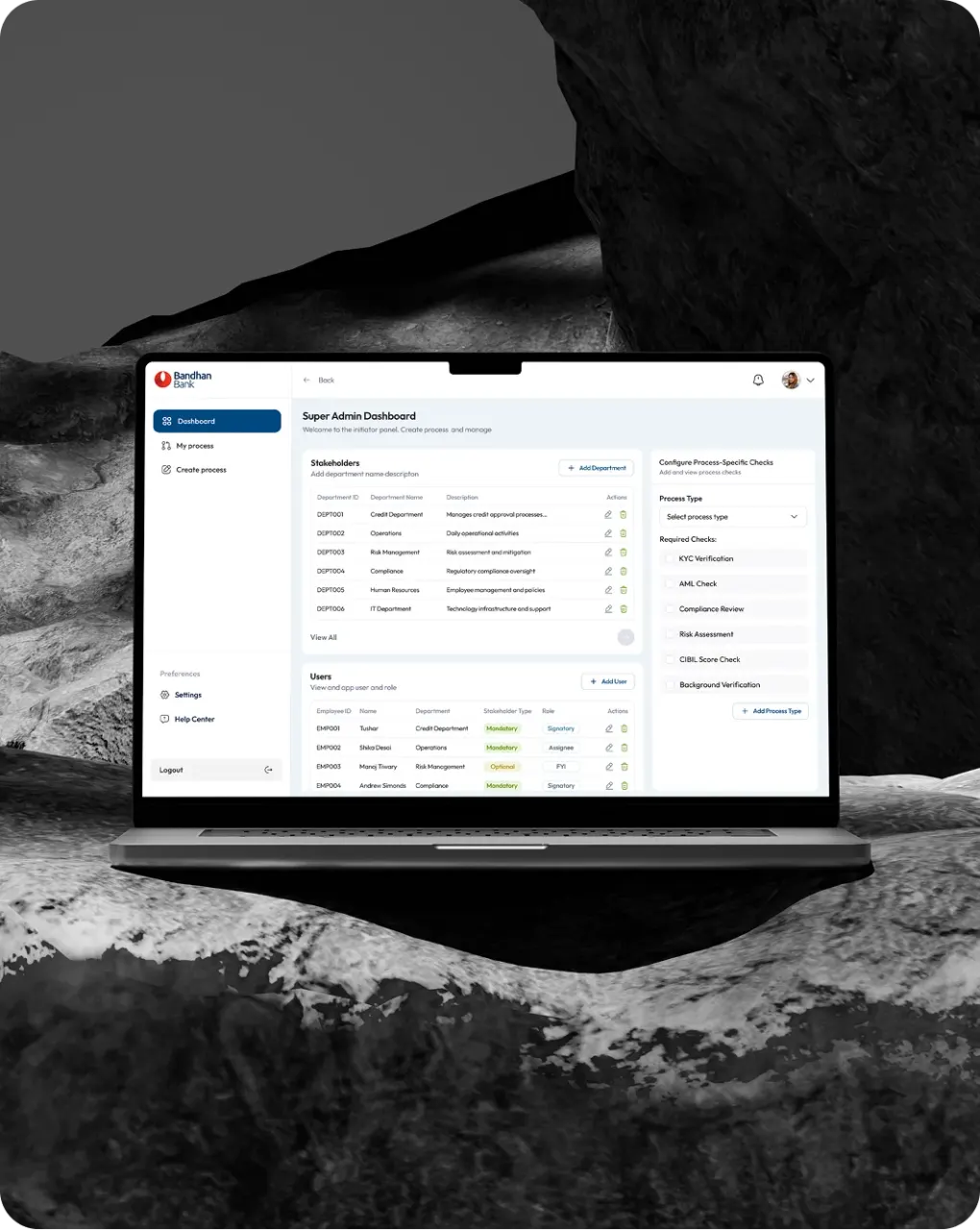
A web application is a software program that runs in a web browser and allows users to interact with data, perform tasks, and access services online without installing software on their device.

Unlike static websites that mainly display information, web applications are interactive and task-oriented. They enable users to log in, submit forms, make transactions, collaborate in real time, and manage data through a browser-based interface.

Web applications are hosted on remote servers and work across devices such as desktops, tablets, and smartphones, making them scalable, accessible, and easy to maintain.

Key distinctions between websites and web applications.

Website

Web application

Mostly read-only

User-driven and task-oriented

Minimal backend processing

Strong backend logic and databases

Limited personalization

Personalized user experience

CRM platforms, SaaS tools, online booking systems, dashboards, and collaboration software all fall under the category of web applications.

A modern web application is distinguished by its technical capabilities and user experience. The core features include:

  1. Dynamic content rendering
  2. User authentication and role management
  3. API-driven architecture
  4. Database-based data processing
  5. Compatibility with multiple browsers and devices
  6. High availability and scalability
  7. Personalized user experience

Let Zethic help you build smarter — Not just faster

What is a personalized user experience in web applications?

A personalized user experience in a web application means delivering customized content, features, and workflows based on a user’s behavior, preferences, role, or past interactions.

How personalization works in web applications:

  • Uses user profiles, session data, and analytics
  • Adapts dashboards, navigation, and content dynamically
  • Applies role-based access and recommendations
  • Works consistently across devices and browsers

Why personalization matters:

  • Improves user engagement and retention
  • Reduces friction in user journeys
  • Increases conversions and task completion
  • Enhances overall usability and satisfaction 

How Do Web Applications Work?

Web applications follow a client-server model where users interact through a web browser, which sends requests to a server that processes logic, accesses databases, and returns responses in real time.

How the client-server model works in web applications:

  • The user interacts with the web application through a browser (client).
  • The browser sends a request to the web server over the internet.
  • The server processes business logic and communicates with databases.
  • The server returns a response (data or UI updates) to the browser.
  • The browser renders the updated content instantly without reloading the page.

How to Design a Web Application That Converts

Understanding how to design a web application goes beyond visual appeal—it involves usability, performance, and technical planning.

5 Step-by-Step Web Application design process

  1. Requirement & User Analysis – Define business goals, user personas, workflows, and technical constraints.
  2. Information Architecture (IA)  – Reduce cognitive load by structuring navigation, user flows, and content hierarchy.
  3. Wireframing and prototyping – Create low- and high-fidelity prototypes to test layouts and interactions prior to development.
  4. UI/UX Design – Create intuitive interfaces that follow accessibility, responsiveness, and usability best practices.
  5. Technical Design – Finalize the architecture, APIs, database models, and technology stack to ensure scalability.

A well-designed web application reduces friction, increases engagement, and boosts conversions.

Mobile App development strategy

What to expect from website application development services

Professional website application development services include the entire lifecycle of a web application, from planning to post-launch support.

Typical Services Include:

  • Frontend and backend development
  • Custom UI/UX implementation
  • API and third-party integrations
  • Cloud deployments and DevOps
  • Security implementation and audits
  • Performance optimisation
  • Ongoing maintenance and feature upgrades

Choosing the right development partner guarantees technical stability, faster time-to-market, and long-term scalability.

Key Technologies Behind Web Application Architecture

Modern web applications use robust and flexible technology stacks:

Front End Technologies

  • React, Angular, and Vue
  • HTML 5, CSS 3, and JavaScript
  • Frameworks for Progressive Web Applications (PWA)

Backend Technology

  • Node.js, Python, and PHP
  • RESTful and GraphQL APIs
  • Microservice architecture

Infrastructure and DevOps

  • Cloud hosting (AWS, Azure, and GCP)
  • Pipelines for CI and CD

This modular architecture allows for faster development, easier updates, and higher performance.

Cost of Web Application Development - Comprehensive Cost Guide

One of the most common questions that businesses have is about the cost of web application development.

Key cost factors

  • Application complexity and features.
  • UI/UX design requirements.
  • Technology stack.
  • Size and Location of the Development Team
  • Security and compliance needs.
  • After-launch maintenance

Cost ranges estimated for 2026 These are the basic costs, which are entirely dependent on the requirements.

Application Type

Estimated costs

Basic Web Application

₹12,45,000 – ₹29,05,000

Mid-level Business App

₹29,05,000 – ₹66,40,000

Enterprise-Grade Application

₹66,40,000 – ₹1,24,50,000

Investing in quality development upfront reduces long-term operational and scaling costs.

Performance, Security & Compliance Standards for Web Apps

High-quality web applications must meet strict performance and security standards:

  • Secure authentication and authorization
  • Data Encryption
  • Conduct regular vulnerability assessments
  • Compliance with GDPR and regional data laws
  • Optimized page load and server response times

These standards protect both consumers and businesses while ensuring regulatory compliance.


Future Trends in Web Application Development (2026 & Beyond)

Web applications are quickly evolving. Key trends influencing the future include:

  • AI-driven personalization
  • Progressive Web Application (PWA)
  • Real-time data synchronization
  • Microservices and Serverless Architecture
  • Automation and low-code integration

Businesses that follow these trends gain a competitive advantage in performance and user engagement.

Why Choose Website Application Development

Zethic provides scalable and secure website application development services, delivering custom web applications that prioritize performance, usability, and long-term business growth. From UI/UX design to implementation and deployment,  we create solutions that are specifically tailored to the needs of modern enterprises.

Turning Web Applications into Business Assets

Web applications are more than just digital tools; they are strategic assets that improve efficiency, scalability, and customer engagement. Understanding how web apps work, how they are designed, and how much they cost enables businesses to make more strategic technology investments.

With the right design approach and development services, businesses can create future-ready web applications that will have a measurable impact in 2026 and later.

Let Zethic help you build smarter — Not just faster

Frequently Asked Questions

A website application is browser-based software that allows users to interact with data, perform actions, and complete tasks through backend processing in real time.

A website displays information, while a web application enables user interactions such as login, data processing, real-time updates, and systems integration.

Effective web application design involves user research, clear information architecture, wireframing, intuitive UI/UX design, and usability testing to ensure both performance and scalability.

Website application development services include UI/UX design, frontend and backend development, API integration, cloud deployment, security setup, testing, and ongoing maintenance.

Zethic builds secure, scalable, and user-focused web applications that help businesses grow efficiently and adapt to future needs.

Let’s build your app together

Table of Contents

zethic-whatsapp