























FinTech Software Development in Cape Town

Cape Town's fintech market sits within South Africa's banking-grade regulatory environment, where FICA compliance, POPIA data protection, and integration with the country's established payment infrastructure are requirements for any regulated financial product. As a fintech software development company serving Cape Town businesses, we design the compliance architecture, the payment integration layer, and the data handling framework from the start, so the product is compliant at launch.

Start a fintech build
Rated 5.0 on Clutch Reviews
  • Banking Solutions
  • Payment Solution
  • Insurance Solution
  • Lending Solution

85%

Long-term Partnerships

75%

Mid-to-Senior Engineers

5+

Avg. Years of Engineer Experience

98%

Would Recommend Us

These brands, Trust Us
Bandhan Bank logoPaywize logoDecathlon logoKurlon logoAirAsia logoSofttek logoNandi Toyota logoSABA Hospitality logoDimaak Tours logoMadras Mandi logoQoruz logoToneTag logoCurleyStreet Media logoEverest DX logoZEISS logoAditya Birla Group logoVIA-IOM logoPerkins&Will logoTalkwalker logoCovea logoHelp Cars logoLe Pain Quotidien logoMeltwater logoSangeetha logoOdessa logoBandhan Bank logoPaywize logoDecathlon logoKurlon logoAirAsia logoSofttek logoNandi Toyota logoSABA Hospitality logoDimaak Tours logoMadras Mandi logoQoruz logoToneTag logoCurleyStreet Media logoEverest DX logoZEISS logoAditya Birla Group logoVIA-IOM logoPerkins&Will logoTalkwalker logoCovea logoHelp Cars logoLe Pain Quotidien logoMeltwater logoSangeetha logoOdessa logo

You are probably here because one of these is true.

Where are you right now?

01

You have a fintech product to build and launch.

A payment platform, banking software product, or lending solution here requires FICA-compliant KYC, POPIA-aligned data handling, and integration with the local payment clearing infrastructure before any product feature is built. Getting the regulatory layer right determines how quickly the product clears FSCA review and reaches its first licensed users.


02

Your product works but needs to meet the local financial services standards.

A fintech product built for another market often needs its KYC model, data residency configuration, and payment rail integrations redesigned when it enters this market, because FICA and POPIA apply specifically to how local customer data is collected, stored, and processed. This is a targeted architecture project, not a full rebuild.

03

Your financial software works but will not scale.

A fintech product that performs at an early user base behaves differently when local payment volumes and bank integration requirements apply at scale. The compliance and data architecture decisions made at an early stage often cannot support the reporting and reconciliation load that comes with operating at full market volume.

What we build across finance.

FinTech software development in Cape Town: What we build

Cape Town fintech businesses rarely engage every service at once. Most start with one or two, and all four are part of the same fintech software development practice.

Banking Solutions

Digital banking platforms, core banking integration, and mobile banking.

Digital banking platformsNeobank architectureCore banking integrationSARB-compliant account structuresInstitutional banking products

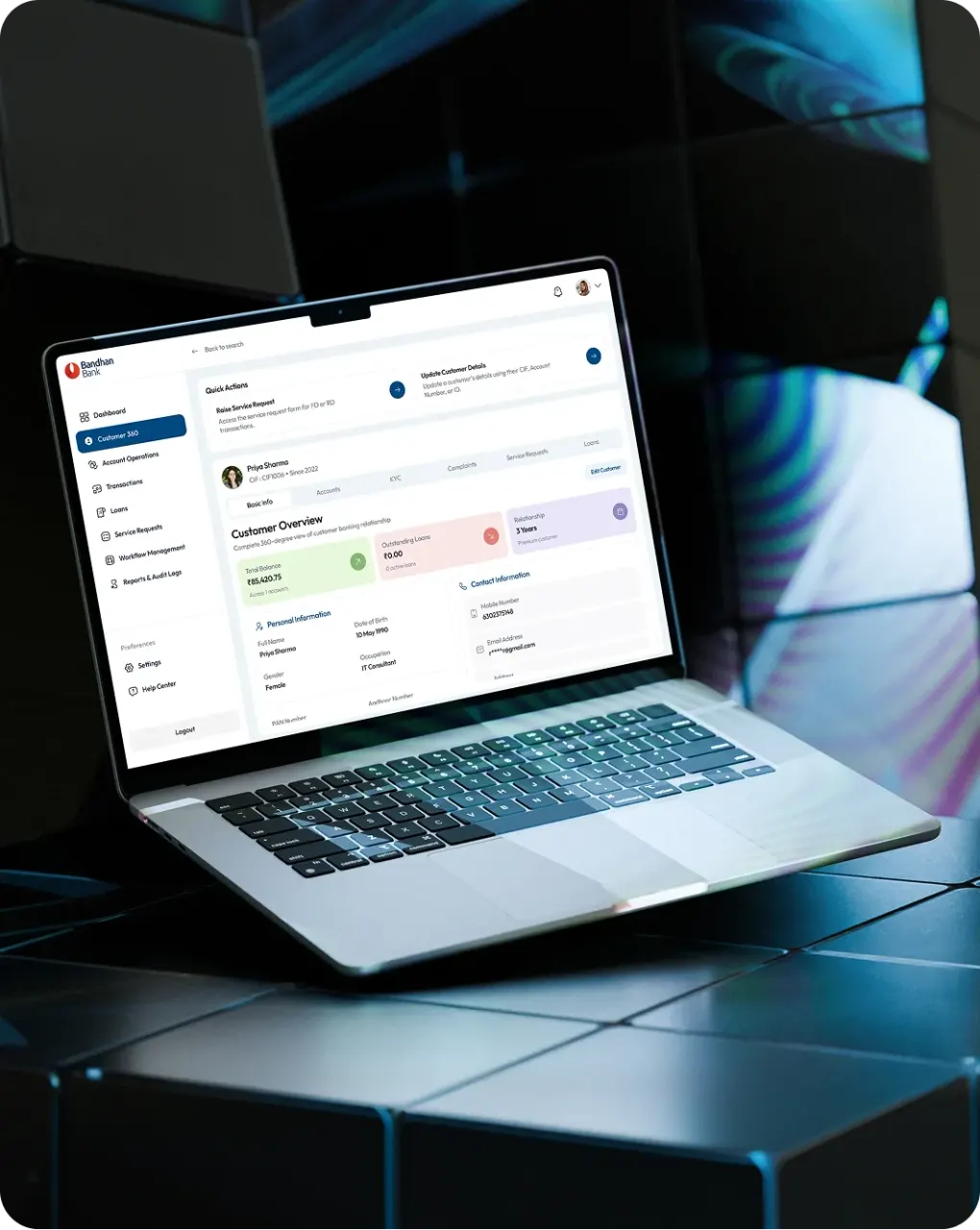
Our banking software development practice covers the full stack for this market, from FICA-compliant onboarding flows and SARB-aligned account structures to core banking system integration with the country's incumbent banks. We build the compliance layer and the banking integration architecture before any customer-facing feature is developed.

Payment Solution

Payment aggregation, switching, settlement, and merchant infrastructure.

Real-time clearing integrationLocal payment gateway developmentQR and tap-to-pay infrastructureMulti-rail payment orchestrationReconciliation and settlement

Payment platforms in this market operate across real-time clearing, EFT, card networks, and QR-based channels, and a product that serves Cape Town's market needs to orchestrate all of these from a single backend with consistent reconciliation. We build the payment routing layer, the settlement reconciliation system, and the dispute handling logic designed for this payment infrastructure.

Insurance Solution

Insurtech platforms, policy management, and claims processing.

Insurtech platform developmentFSCA-compliant policy managementMobile insurance distributionClaims automationEmbedded insurance infrastructure

The local insurtech market is growing through embedded and mobile distribution channels, where FSCA-compliant policy issuance and claims processing need to operate without manual intervention for the micro-insurance and pay-as-you-go products the market is adopting. We build the insurance platform architecture that handles product issuance, premium collection, and claims settlement within the local regulatory framework.

Lending Solution

Loan origination, credit scoring, and repayment infrastructure.

Digital lending platform developmentFICA-aligned credit onboardingNCA-compliant loan originationAlternative credit scoringCollections and repayment infrastructure

Digital lending here operates under the National Credit Act alongside FICA, which together define the data disclosure, interest rate, and collections rules a lending product must follow. We build origination systems, credit decision engines, and repayment platforms designed for this credit regulatory environment.

Part of

FinTech & Banking, our practice for regulated software that ships secure, compliant, and on time.

See all FinTech services

How a build runs from first session to go-live.

How fintech software development runs in Cape Town

Every build here follows the same phase structure, adjusted for the product type and the applicable local regulatory requirements. Senior engineers from the first session, ready to discuss fintech software development in Cape Town from architecture to go-live.

Start a fintech build

{ 01 }· Week 1

Map the regulatory requirements and the product architecture

We identify the applicable licensing requirements, the FICA and POPIA obligations, and the payment rail integration scope before any design work begins.

LicensingFICA and POPIAPayment rails

{ 02 }· Weeks 2 to 3

Design the compliance and data architecture

We design the KYC schema, the data handling model, and the payment integration contracts alongside the product architecture, so compliance is structural.

ComplianceIntegrationsArchitecture

{ 03 }· Build

Two-week sprints with working integrations

Each sprint delivers a working integration tested against the local payment and identity infrastructure, not just functional screens.

SprintsIntegrationsTesting

{ 04 }· After launch

Stay compliant through regulatory updates

We stay on the product through the first FSCA review cycle, handling regulatory updates and payment rail changes as they arise.

MonitoringRegulatory updatesReporting

Why fintechs pick us for this.

Why fintechs in Cape Town choose Zethic

We build compliance into the architecture, not onto it

FICA and POPIA requirements apply at the data model level, not just at the onboarding screen. We treat each regulatory requirement as a schema constraint from the first session, the same way we approach every market in our fintech Africa practice, so the compliance system holds up when the FSCA examines the product.

Local payment integration requires market-specific experience

Integrating with the local payment clearing infrastructure, reconciling across EFT and real-time rails, and managing the bank relationship requirements of a market with a small number of large incumbent banks is a specific set of challenges. Prior experience prevents the integration delays that surface when a product enters this market without having been designed for it.

Senior engineers from the first conversation

You work with engineers who have built fintech software for regulated markets before, not a junior team learning compliance requirements on your project. Fintech software development in Cape Town carries the same engineering standards as every regulated market we serve.

One team from compliance design to production

The engineer who designed the FICA compliance layer and the payment integration is also the one writing the code against them. Nothing gets lost between the design and the implementation, because they belong to the same person.

Questions, answered.

FAQs: FinTech Software Development in Cape Town

South African fintechs operate under the Financial Intelligence Centre Act for KYC and AML obligations, the Protection of Personal Information Act for customer data handling, and sector-specific FSCA licensing requirements depending on the product type. The applicable framework depends on whether the product handles payments, credit, insurance, or deposits, and each category carries distinct compliance architecture requirements.

FICA requires customer identity verification, ongoing due diligence, and suspicious transaction reporting as baseline obligations for any entity handling financial transactions. We design the verification pipeline and the transaction monitoring layer into the product schema from the start, so the fintech app development process produces a compliant product rather than one that requires a compliance retrofit after launch.

POPIA requires that personal data is collected for a specific lawful purpose, stored securely, and processed only within the scope of that purpose, with customer consent managed explicitly. For fintech products, this means the data model, consent management flow, and third-party data sharing architecture must all be designed to satisfy POPIA before any customer data is collected.

Local payments run across real-time clearing, EFT, card networks, and QR-based channels, and each has its own settlement logic and reconciliation requirements. Our neobank development and payment platform experience covers the full integration stack, from multi-rail orchestration and settlement reconciliation to the dispute and chargeback handling that local banks expect from their technology partners.

A single-product build covering payment processing or digital lending with full FICA and POPIA compliance typically reaches an operational state in twelve to eighteen weeks, depending on the payment rail integrations required. Products that require FSCA licensing take longer because the compliance architecture must be demonstrated before the license is granted. Nearby, fintech software development in Stellenbosch often moves faster, since more of that work starts as early-stage validation.

Building a fintech for the Cape Town market?

Tell us what you're building and who it needs to serve. A senior engineer replies within one working day with a clear starting point.

Zethic Clutch reviews
Zethic - The Manifest Most Reviewed Design Company in BengaluruZethic - GoodFirms Top Development CompanyZethic - The Manifest Most Reviewed App Development Company in BengaluruZethic - Clutch Top-Rated UI/UX Design Studio in IndiaZethic - Rankwatch Top Web Development AgenciesZethic - The Manifest Most Reviewed Web Developers in BengaluruZethic - Top Developers Top Mobile App Developers in Bengaluru

Tell us the build

What you're building and which obligations apply to it. We sign an NDA so it stays private.

We map compliance first

A senior engineer maps licensing, payment integration, and reporting before any architecture gets drawn.

It ships production-ready

The engineers who scope the integration write the code against it, so nothing gets lost in a handoff.

Building a fintech? Start a fintech build